Cost of Caring  //  Beyond Burnout Pilot Cohort · July 24–25, 2026

Most people who carry weight for their teams, their families, their missions eventually hit a wall.

They know something needs to change. But knowing is different from moving through it.

That's why we built this — a carefully designed experience with a clear arc: understand your story, then use your body to move through it.

Built for first responders, caregivers, healthcare workers, teachers, and anyone at a real inflection point.

A workshop where the first part gives participants language for what they have been carrying, and the second part gives their body a way to move through it.

Two halves of one whole.

Part One
Understand Your Story

The evening session belongs to Jon. His keynote opens the conversation — sharing his own experience of accumulated weight, burnout, and what rebuilding actually requires — designed to help de-stigmatize what most people in that room are already carrying. The facilitated discussion that follows gives participants space to surface what the keynote named. Participants sleep on this. The overnight gap is not downtime — it's the first integration window.

The next morning continues Part One. After a brief grounding comes The Story Map — a 15 to 20 minute writing exercise where participants put pen to paper, naming the pivotal moments, good and bad, that have shaped their life. No prompts. No categories. Just the freedom to start identifying their story. The facilitated discussion that follows connects each person's story to the framework without pressure to share anything they're not ready for.

Part Two
Understand How to Use Your Body to Move Through It

The full day belongs to Stacia. Two full holotropic breathwork sessions, separated by a shared lunch and quiet integration time. Each session runs two and a half to three and a half hours. The dyad structure means every participant experiences both roles — breather and sitter.

The breathwork accesses something the mind can't direct on its own. The body has its own intelligence, and the sessions are designed to follow it. The integration circle at the end of the day gives participants space to land, name what they're carrying out, and close together.

Neither half works alone. The morning works at the level of language. The afternoon works at the level of the body. That's the arc.

From The Story Map

One named thing

Something they had been carrying that they now have language for — in their own words, that they can use when it comes up again.

From the breathwork

Access to the body's intelligence

Two full holotropic sessions led by Stacia. What surfaces is led by the body — unique to each person.

From the dyad

Showing up for one another

Each person sits for someone else, and is sat for. The choice itself — in both directions — is part of what each person takes with them.

Plus: a one-page Integration Prompt Sheet each participant takes home.
* optional continued one-to-one or small group work with Jon after the workshop for those who want to go deeper.

Two people. One arc.

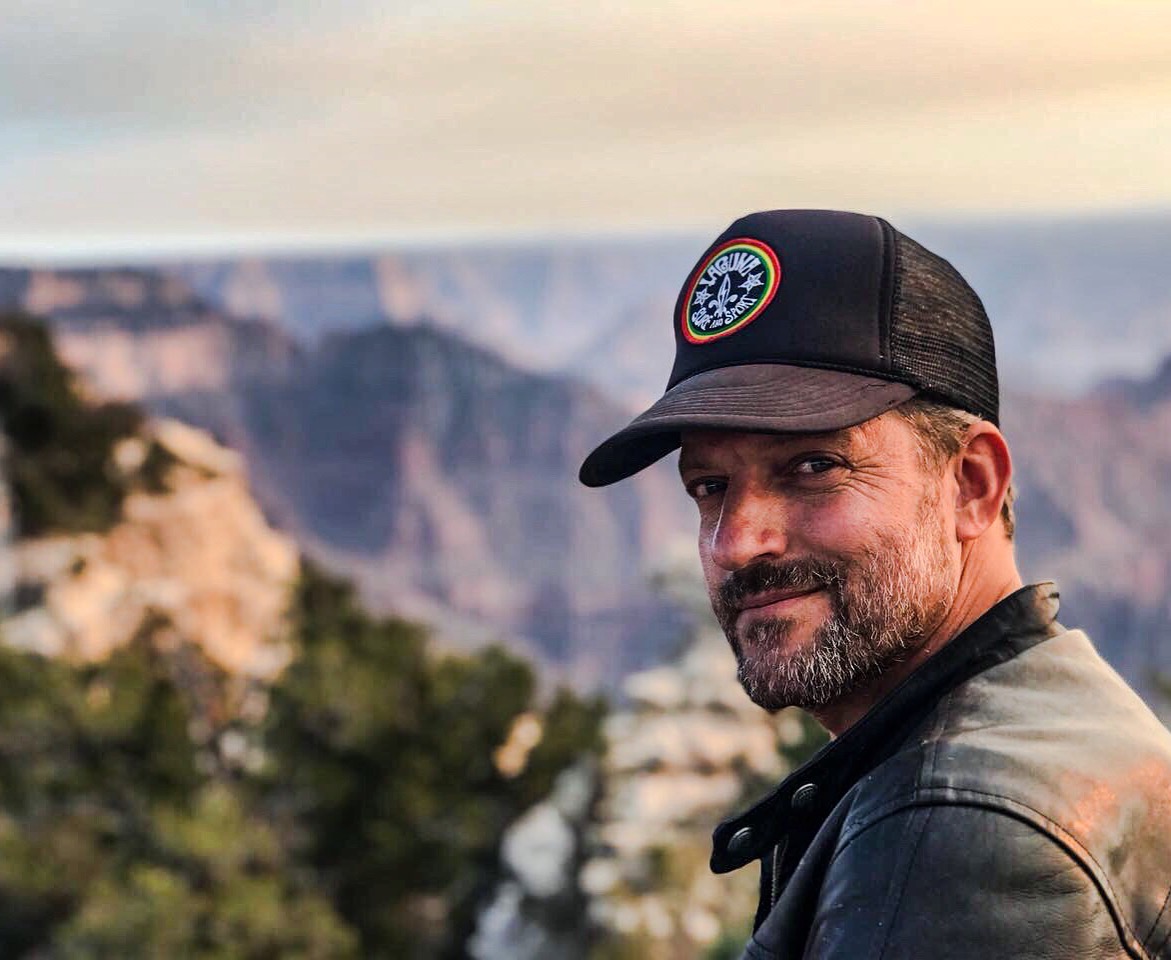
Jon Rose

Keynote · Co-Facilitator

Jon Rose is a former professional athlete turned humanitarian leader. As a first responder, he has been on the ground in more than 40 major disasters and active conflicts across 51 countries, helping millions of people. He is the founder of Waves For Water, one of the world's most respected disaster response and clean water organizations.

He now helps leaders and teams navigate the hidden costs of pressure, purpose, and service. His keynote draws on 15+ years of frontline experience to normalize the conversation around burnout, identity, and what it takes to rebuild from the inside out.

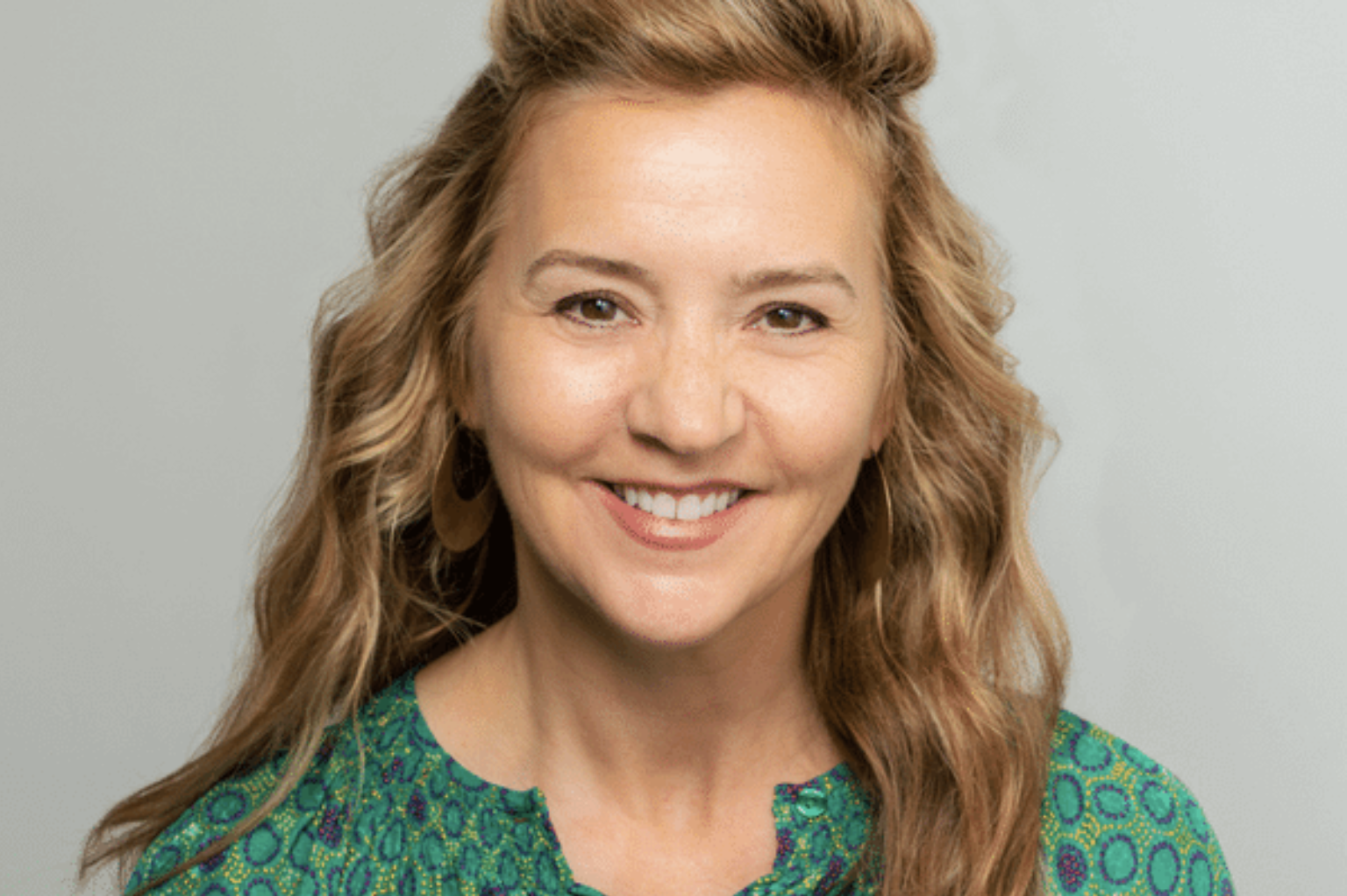
Stacia Butterfield

Holotropic Breathwork Practitioner

Stacia Butterfield is a certified Holotropic Breathwork facilitator trained in the tradition of Stan and Christina Grof through the Grof Transpersonal Training (GTT) program — the definitive lineage-based certification for this specific modality.

She guides participants through non-ordinary states of consciousness as a pathway to self-healing, integration, and insight. Her practice is grounded in the understanding that the psyche has an innate capacity to heal when given the right conditions — and that those conditions require a skilled guide who can hold the room without imposing an agenda on what surfaces.

There is a lot of breathwork out there. This is not that.

Holotropic Breathwork was developed by Dr. Stanislav Grof — one of the most influential researchers in the history of consciousness and trauma.

It uses accelerated breathing, carefully chosen evocative music, and focused bodywork to move participants into states that bypass the analytical mind and access deeper layers of experience. Unlike breath-based relaxation techniques, this approach is genuinely transformative — it can surface and help process material that talk therapy, journaling, or conventional wellness practices cannot reach.

First responders and caregivers often carry material they cannot access through talk. Years of responding to others' emergencies — while suppressing their own responses — leaves the body holding things that language hasn't named. Holotropic Breathwork works at the level the material actually lives.

Sessions are done in dyads — each person serves as both breather and sitter. No one is alone in the process. Each participant is held by their partner, and then holds space for them in turn. For people whose professional identity is built around doing and fixing, learning to be fully present without intervening is often the sitter's most significant work of the workshop. No substances. No agenda imposed from outside. Just the breath, the music, and a skilled guide.
The full arc, hour by hour.

Part One — Evening

6:00 PM

Arrival & Welcome Both facilitators

Settle in, meet the group, and get oriented to the space.

6:30 PM

Opening Circle & Intention Setting Both facilitators

Introductions, community agreements, and why we're here. Each participant shares what brought them.

7:30 PM

Healing the Helper — Keynote & Discussion Jon Rose

~60 minutes of storytelling on pressure, burnout, and what rebuilding actually looks like — from real experience. Followed by facilitated group discussion. Participants sleep on this framing and let it settle before the breathwork day.

9:00 PM

Close of Evening

Participants rest. The overnight gap is part of the design — the keynote settles while they sleep.

Part Two — Full Day

9:00 AM

Morning Welcome & Grounding Both facilitators

Brief check-in. Hold what emerged overnight.

9:20 AM

The Story Map Jon Rose

A 15–20 minute writing exercise — pen to paper. Participants name the pivotal moments in their life, good and bad, that have shaped their life. No prompts. No categories. Just the freedom to start identifying their story. The facilitated discussion that follows connects each person's story to the framework.

10:15 AM

Bridge — Story to Body Both facilitators

Stacia introduces the breathwork practice, explains what to expect, covers safety and contraindications, and sets up the dyad pairs.

10:30 AM

Holotropic Breathwork — Session One Stacia Butterfield

First full breathwork session in dyads — one breather, one sitter. Duration approximately 2.5 to 3 hours. Fully guided and supported throughout.

1:00 PM

Lunch & Integration

Shared meal. Quiet time for individual integration — journaling, expressive art, walking, open space. This period is part of the work, not a break from it.

2:45 PM

Holotropic Breathwork — Session Two Stacia Butterfield

Roles switch. Every person who sat in Session One now breathes, and vice versa. Second full session with adequate time for depth and emergence.

6:15 PM

Closing Circle & Integration Both facilitators

Group sharing, integration, and what participants carry home. Jon and Stacia close together.

7:30 PM

Close

This is not a drop-in event.

01

Intake & Screening

Before a participant's spot is confirmed, they complete a brief health screening and intake form. Stacia reviews each one individually and follows up directly only if something needs attention.

02

The Workshop

An evening session followed by a full day. Jon and Stacia together. One integrated arc. Every participant leaves with what surfaces from each half of the arc and a shared language with the people they sat with.

03

Two-Week Check-In

Two weeks after the workshop, a personal email from Jon — not a marketing message, a real one. Plus an optional short written check-in: what they found language for, what surfaced for them in the breathwork, and what they've noticed since.

04

Continued Work

For those who want to go deeper, Jon is available for one-to-one sessions or small group work after the workshop — helping people build a personal road map using practices and tools that fit where they are. Offered as an optional add-on.

Built for people who carry a lot.

First responders — fire, EMS, law enforcement, dispatch
Healthcare workers and medical professionals
Caregivers — professional and personal
Teachers, social workers, counselors
Anyone facing burnout or a significant life transition
Leaders driven by mission and purpose

What people ask before they register.

What is Holotropic Breathwork, exactly?

A specific practice developed by Dr. Stanislav Grof — one of the most important researchers in the history of trauma and consciousness. It uses accelerated breathing, evocative music, and focused bodywork to move participants into non-ordinary states that allow access to material the analytical mind can't reach. It is not the same as Wim Hof, box breathing, or studio breathwork classes. It has a specific lineage and a specific safety protocol. Stacia is trained and certified in that lineage through the Grof Transpersonal Training program.

Is this therapy?

No. It does not replace therapy. What it offers is a different kind of access — to material that talk therapy often can't reach. Some participants find it complements ongoing therapeutic work. Others find it sufficient on its own. Neither claim is being made on its behalf.

What if I've never done breathwork before?

Most participants haven't. Stacia introduces the practice fully on the morning of Part Two before the first session — what to expect, what's normal, what to do if they need to stop. Prior experience isn't required. The intake form helps assess readiness.

What if I have a strong reaction during the session?

Strong reactions — emotional intensity, physical sensation, unexpected material surfacing — are not exceptions. They are frequently what the work produces. A named buddy facilitator is available throughout both sessions. A tiered response plan is in place for anything that needs attention. Stacia has facilitated many sessions and knows how to hold a room when the work goes deep.

What do I bring?

A yoga mat or sleeping pad, a blanket, comfortable clothes for lying down, a journal, and whatever they want for lunch on the full day. Light snacks are provided during the evening session. No alcohol for 48 hours before the breathwork sessions.

Is this appropriate if I've experienced significant trauma?

Holotropic Breathwork can be deeply effective for people who carry trauma — and it requires care. The intake form is where Stacia assesses this individually, with a direct follow-up only if needed. People in acute crisis are typically not appropriate candidates. People who have done some prior work and are ready to go deeper often find it exactly right. Stacia makes the final call on ambiguous cases.

What's the sliding scale for?

Access. The room should hold people from all walks of life — not just people who can pay full price. Each tier has a fixed number of spots. Participants choose the tier that honestly reflects their financial situation. The structure depends on people doing that honestly.

Sliding scale. Access over income.

Each tier has a strictly limited number of spots — once a tier fills, it's closed. Each participant registers at the tier that honestly reflects their financial situation. This structure ensures the room includes people from all walks of life.

Accessible

$199

7 spots

Finances are a genuine barrier — we want them here regardless.

Community Supporter

$500

5 spots

Financially stable and want to help subsidize access for others.

Includes all sessions and light snacks during the evening. Participants eat before the evening session and bring their own lunch for the full day. Bring a sleeping mat or futon pad for breathwork sessions.

Register

July 24–25, 2026 · Olympic Valley, California. Space is limited to 22 participants.

Reserve Your Seat

Important: Not appropriate for pregnant women, cardiovascular conditions, severe hypertension, epilepsy, detached retina, or active psychiatric conditions. Full contraindication list provided at registration.